The launch of the CART.IS system in Tanzania will make trade faster by streamlining processes and cutting costs.
Tanzania is advancing toward a more digital and interconnected trade environment, with the launch of the results of its CART.IS (Commercial and Regulatory Trade-related Information Systems) analysis.
The assessment was conducted within the framework of the European Union–East African Community (EAC) Market Access Upgrade Programme (MARKUP II), funded by the European Union under its Global Gateway initiative and implemented by the International Trade Centre in collaboration with the EAC Secretariat.
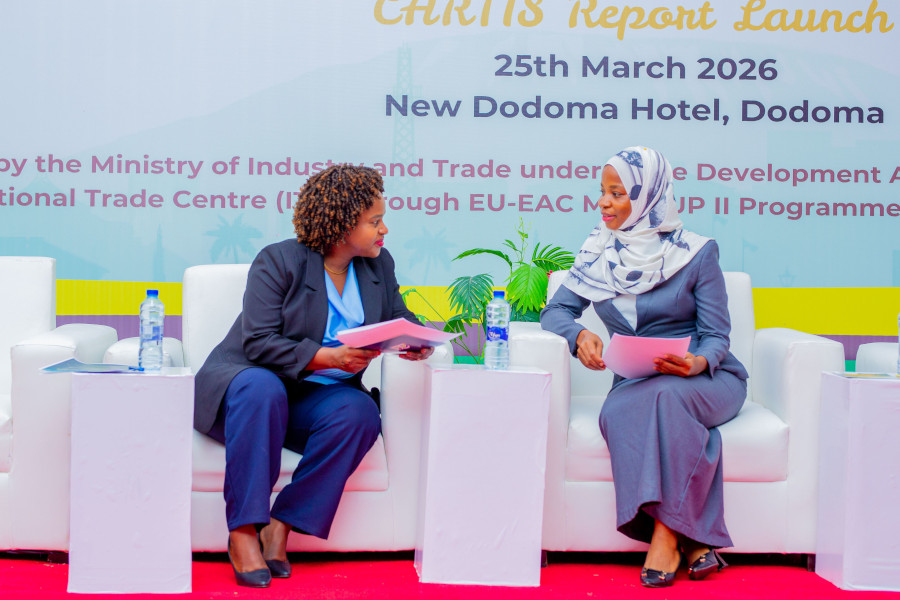
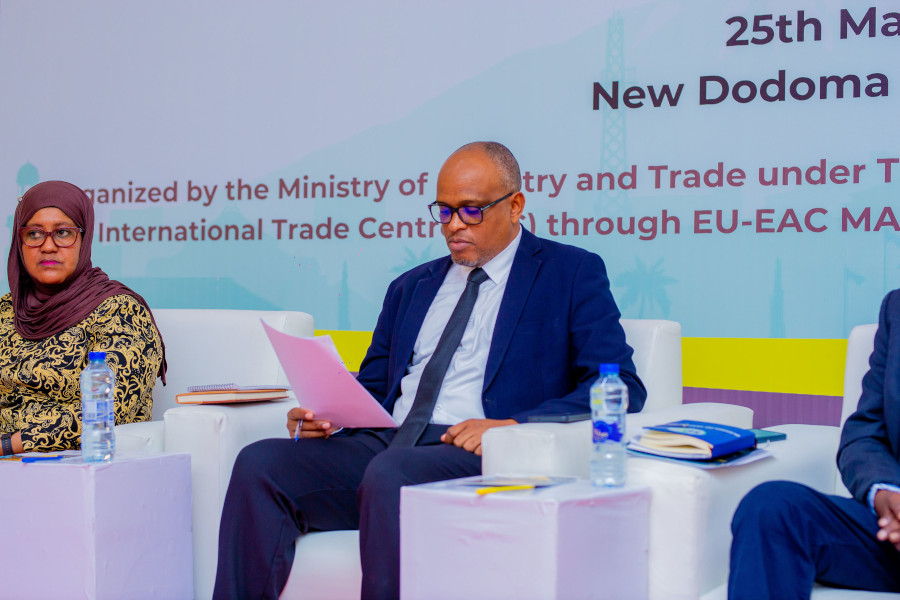
The event, held in Dodoma on 24–25 March 2026, brought together representatives from the Government of the United Republic of Tanzania, a wide range of other government agencies, private sector stakeholders, and key partners involved in the CART.IS analysis. Participants discussed progress in the digitalisation of trade procedures and identified further steps to develop interagency and cross-border cooperation.
The study found that 33 trade-related services across 9 institutions have already been digitized, reflecting important progress. However, many systems remain fragmented and not fully interoperable, and several services still require paper-based outputs, highlighting the importance of strengthening integration, institutional capacity, and coordination.
The programme contributes to the modernisation of trade procedures, enhanced regional connectivity, and improved economic competitiveness.
The CART.IS methodology helps governments assess and coordinate their digital ecosystems for cross-border trade. With ITC’s technical support, it enables evidence-based planning and generates comparable data, while in Tanzania it also provides a comprehensive baseline covering 33 government services and 92 inter-agency interactions, and outlines key reform priorities to advance digital trade and strengthen regional cooperation.